How Often Should You Get a Sports Massage?
The right frequency depends on your training load, injury status, and goals. Here's a practical guide based on what works for athletes, gym-goers and desk workers.
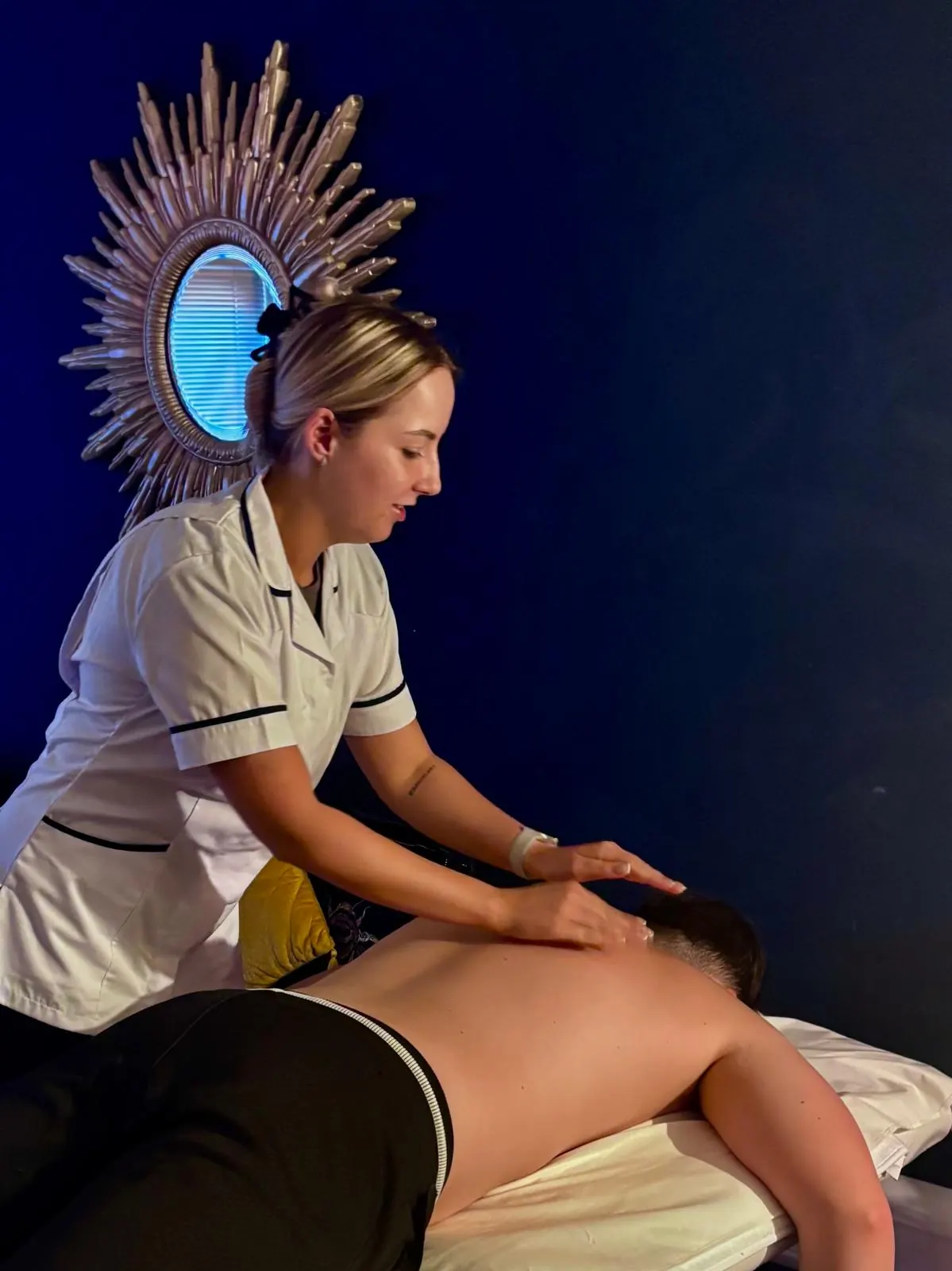
“How often should I come back?” is the question I get asked at the end of nearly every session - and the honest answer is: it depends on what’s going on with you. There’s no single number that works for everyone.
What I can give you is a clear framework based on three things: your current training load, whether you’re managing an injury, and what you’re trying to achieve.
The general guide
Here’s the rough cadence I recommend to clients in Sutton Coldfield, broken down by situation:
| Situation | Frequency |
|---|---|
| Active injury or rehab | Weekly |
| Heavy training (5+ sessions/week) | Every 2–3 weeks |
| Moderate training (2–4 sessions/week) | Every 3–4 weeks |
| Light activity / maintenance | Every 4–6 weeks |
| Pre-event / post-event | 3–5 days before, 2–5 days after |
| Desk-based job, sedentary | Every 4–6 weeks |
These are starting points, not rules. Your body will tell you what it actually needs - and a good therapist will adjust based on what they find in each session.
If you’re injured or in rehab
Weekly sessions for the first 3–4 weeks make a real difference. The tissue is in an acute or sub-acute phase, adhesions are forming, and compensatory patterns are kicking in. Catching it weekly stops those patterns from setting and supports faster recovery.
Once symptoms ease, drop to every 2 weeks for a month, then return to maintenance frequency.
The exception: if you have an acute injury (within 48–72 hours of onset, swelling, sharp pain), sports massage is not the right first step. See a GP or physio for assessment first. We work alongside rehab, not instead of it.
If you train hard
If you’re training five or more sessions a week - whether that’s running, cycling, lifting, CrossFit, triathlon - your muscles are accumulating load faster than they can fully recover. Every 2–3 weeks keeps adhesions from building up, supports mobility, and helps you spot small issues before they become injuries.
The biggest mistake I see in this group is waiting until something hurts. By the time you feel pain, the underlying restriction has usually been there for weeks. Regular maintenance is cheaper than rehab.
If you train moderately
Two to four sessions a week - typical gym membership user, weekend runner, recreational cyclist. Every 3–4 weeks works well as maintenance. You’ll feel the difference in mobility, recovery between sessions, and how your body responds to harder training blocks.
If you train in cycles (12-week running plan, gym programme, sport season), book your sessions around the cycle: one at the start, one mid-block, one at the end of a heavy phase.
If you’re sedentary
You’re not off the hook. Sitting 8+ hours a day creates its own patterns: tight hip flexors, weak glutes, rounded shoulders, neck tension that shows up as headaches. These patterns are slower to develop and slower to shift - but they do shift with regular work.
Every 4–6 weeks works for most desk workers. If your job is particularly stressful or you’re sitting longer than usual, drop it to every 3 weeks.
Around events
If you have a race, match or competition coming up:
- 3–5 days before: a maintenance session focused on flushing and mobility - not deep work
- 48 hours after: light flush massage, no deep tissue (tissue is still inflamed)
- 3–7 days after: full recovery session with deeper work as needed
The mistake people make is booking deep tissue work the day before an event. Don’t. Your muscles will be sore and reactive on race day. Save it for after.
Signs it’s time to come back
If you can’t tell where you are in the cycle, watch for these:
- Specific tension or restriction that didn’t ease with stretching
- Reduced range of motion compared to last week
- An old injury starting to whisper
- Recovery between training sessions taking longer than usual
- Sleep affected by muscular tightness
- A nagging spot you keep trying to dig at with a foam roller
Any one of these means it’s time.
Building it into your routine
The clients who get the most out of regular sports massage are the ones who treat it like training: it goes in the diary, it’s non-negotiable, and they don’t wait until something hurts.
For most people in Sutton Coldfield, that’s once a month as a default - more during training blocks, less during quieter periods. It’s not a luxury. It’s part of how you keep your body working.
Book a session
Whether you’re booking your first session or building maintenance into your routine, get in touch. We’re at 6 Queens Chambers, 61 Boldmere Rd in Boldmere, Sutton Coldfield - open Tuesday, Thursday and Sunday. Call 07507 454394 or book online.
Related articles
-
Sports Massage vs Deep Tissue: What's the Difference?
Sports massage and deep tissue are often used interchangeably - but they're not the same thing. Here's what each actually involves and when to book which.
-
Post-Race Recovery: When to Book Your Massage (And When Not To)
Timing your post-event sports massage matters. Book too early and you'll make recovery worse, not better. Here's a practical timeline for runners and triathletes.
-
Trigger Point Therapy Explained: What It Is and When It Helps
Trigger points - the technical name for muscle knots - cause referred pain and restricted movement. Here's how trigger point therapy actually works.
Ready to Book?
Book a sports massage at MASG Therapy in Boldmere, Sutton Coldfield. Tuesday, Thursday and Sunday appointments.