Why Your Lower Back Keeps Tensing Up (And What to Do About It)
Recurring lower back tension is rarely about the lower back itself. Here's what's usually driving it and how sports massage helps break the cycle.
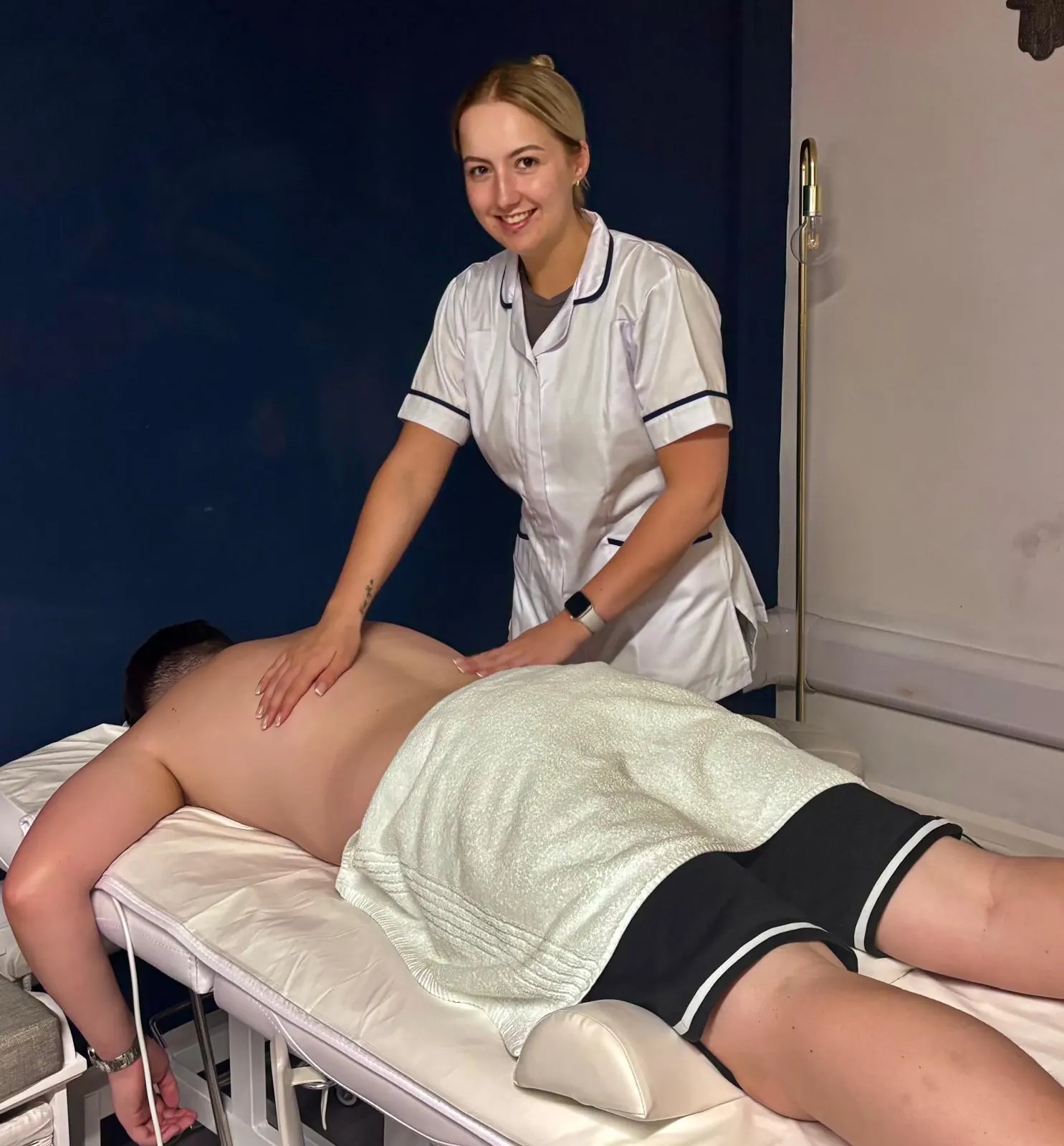
Lower back tension is probably the single most common reason people walk into MASG Therapy. It’s also one of the most misunderstood - because the lower back is almost never the actual problem. It’s the place that hurts. It’s rarely the place that’s broken.
If your lower back keeps tensing up, stretching gives temporary relief, and then it comes back within days - this post is for you.
What’s actually going on
Your lower back is a middle child. It sits between the hips (which provide rotation and stability for the lower body) and the thoracic spine (which provides rotation and stability for the upper body). When either neighbour isn’t doing its job, the lower back has to take up the slack.
The lower back is built for stability. It’s not designed to provide a lot of rotation or end-range movement. When it’s forced to, it tightens up as a protective response. That tightness is your back saying: “I can’t trust the joints above and below me, so I’m locking down.”
The most common drivers:
1. Tight hip flexors
If you sit for 6+ hours a day, your hip flexors (psoas, iliacus, rectus femoris) shorten. When you stand up, they pull the front of the pelvis down and forward. This tilts the pelvis anteriorly and forces the lumbar spine into more extension - compressing the joints and irritating the soft tissue.
You feel it in the lower back. The cause is at the front of the hips.
2. Weak or inhibited glutes
Sitting also switches off the glutes. When the glutes don’t fire properly, the lower back has to take over hip extension - lifting the leg back, standing up from a chair, climbing stairs. Over weeks and months, those small overloads add up.
3. Restricted thoracic rotation
The mid-back (thoracic spine) is meant to rotate. If it can’t - because of hunched posture, tight lats, restricted ribs - your body still needs to rotate to function. So the lumbar spine, which isn’t built for it, rotates instead. Every time. All day.
4. Quadratus lumborum trigger points
QL is a deep muscle on either side of the lower back. It’s prone to developing trigger points that refer pain into the lower back, the hip and the buttock. Press the right spot on the side of the lumbar region and you’ll often recreate the exact pain that brought you in.
5. Asymmetric loading
Carrying a heavy bag on the same shoulder. Standing on one leg with your weight shifted. Always crossing the same leg. Sleeping on the same side. Small asymmetries, repeated thousands of times, create predictable tension patterns.
Why stretching alone doesn’t fix it
Stretching the lower back gives short-term relief because you’re temporarily lengthening the tissue. But you haven’t changed why it’s tightening up in the first place. Within a few hours - sometimes within minutes of sitting back down - the tension returns.
To break the cycle you need three things:
- Address the trigger points and adhesions in the muscles that are actually overloaded (hip flexors, QL, glutes, lats)
- Restore movement at the hip and thoracic spine so the lower back doesn’t have to compensate
- Maintain it - rebuild the strength and mobility that the day-to-day demands keep eroding
This is what a sports massage session focused on lower back tension actually does. Not “rub the sore bit”. Work the structures up and down the chain that are causing the lower back to fire its protection signal.
What a session looks like
For a recurring lower back issue at MASG Therapy, a typical 50-minute or 75-minute session will:
- Assess your standing and seated posture, ask about your day-to-day loading
- Release the hip flexors (psoas access, rectus femoris)
- Work the glutes - both for trigger point release and to “wake them up”
- Mobilise the thoracic spine and address tight lats
- Treat QL and the lumbar paraspinals directly
- Finish with full-body flush work and aftercare guidance
You should feel a noticeable difference walking out of the session. The bigger question is what you do over the next two weeks - which is why we always send you out with specific stretches, mobility drills, and movement suggestions tailored to what we found.
What you can do between sessions
A few things that consistently help:
- Get out of the chair every 30 minutes - even 60 seconds standing or walking resets the hip flexors
- Hip flexor stretch daily - kneeling, push hips forward, hold 60 seconds each side
- Glute activation - bridges, clams, monster walks before workouts
- Thoracic rotations - book openers, T-spine rotations on the wall
- Foam roll lats and glutes - not the lower back directly
These won’t fix anything in isolation - but combined with regular hands-on work, they break the cycle.
When to see a GP first
Sports massage works well for muscular and movement-related lower back pain. It’s not the right first step for:
- Sudden severe pain after trauma
- Pain with numbness, tingling or weakness down the leg
- Pain that’s worse at night or with rest
- Pain accompanied by unexplained weight loss or fever
- Loss of bladder or bowel control (red flag - go to A&E)
If any of those apply, see a GP or physio first.
Book a session
For most people, recurring lower back tension is a soft tissue and movement problem - and it responds well to focused, regular sports massage. Book a 50-minute or 75-minute session at MASG Therapy in Boldmere, Sutton Coldfield. We’ll work out what’s actually driving it.
Call 07507 454394, email Masgtherapy@gmail.com, or book online.
Related articles
-
Sports Massage vs Deep Tissue: What's the Difference?
Sports massage and deep tissue are often used interchangeably - but they're not the same thing. Here's what each actually involves and when to book which.
-
Trigger Point Therapy Explained: What It Is and When It Helps
Trigger points - the technical name for muscle knots - cause referred pain and restricted movement. Here's how trigger point therapy actually works.
-
How Often Should You Get a Sports Massage?
The right frequency depends on your training load, injury status, and goals. Here's a practical guide based on what works for athletes, gym-goers and desk workers.
Ready to Book?
Book a sports massage at MASG Therapy in Boldmere, Sutton Coldfield. Tuesday, Thursday and Sunday appointments.